Playing the lottery in the United States can look confusing at first. There are state-specific draws, enormous multi-state jackpots, scratch-offs and a growing number of digital options. The basics are simple once you understand how games, tickets and prize claims work.
The first thing to know is that the US has no federal lottery. States and territories run their own, and Powerball and Mega Millions are offered jointly across most of them. Lotteries operate in 45 states, Washington, DC, Puerto Rico and the US Virgin Islands.
Check the rules where you live
Minimum ages and available games vary by location. In most states you must be at least 18, though some set a higher age. Alabama, Alaska, Hawaii, Nevada and Utah don’t operate lotteries.
Start with your state lottery’s official website. It lists available games, where to buy, when sales close and how long winners have to claim prizes.
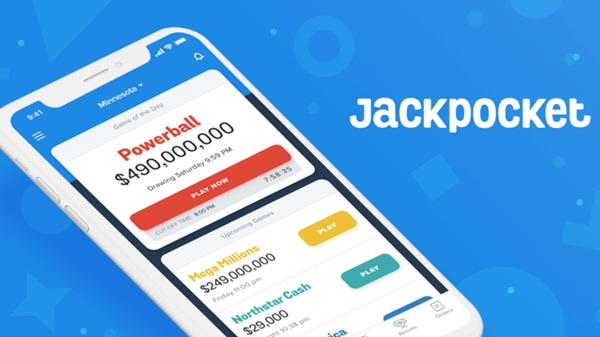
Most tickets are sold by licensed retailers such as supermarkets, convenience stores and gas stations. Some states also allow purchases through official websites or apps, or through courier services. A courier such as Jackpocket, which is owned by DraftKings, buys official tickets on your behalf and shows you a scan in its app. It is not affiliated with any state lottery and operates only in states that permit couriers, so check that it is available and legal where you are before signing up.
Know the main types of games
Multi-state draw games get the most attention because their jackpots grow so large. Powerball asks players to pick five numbers from 1 to 69 and a Powerball number from 1 to 26. A standard play costs $2, and an optional Power Play feature costs extra and multiplies non-jackpot prizes. Drawings are held on Mondays, Wednesdays and Saturdays.
Mega Millions uses five numbers from 1 to 70 and a Mega Ball from 1 to 24. A play costs $5 and includes a multiplier for non-jackpot prizes. There are nine prize levels, and the jackpot odds are about 1 in 290.5 million.
States also run smaller draw games such as Pick 3, Pick 4 and Cash 5. Jackpots are lower, but the odds of winning something are usually better. Scratch-offs show a result immediately, and some states offer digital instant games through their official platforms.
Choosing your numbers
You can pick your own numbers or ask for a Quick Pick, sometimes called an Easy Pick, in which the terminal generates them randomly. Neither changes the odds. Every valid combination is equally likely to be drawn.
Lucky numbers and birthdays make play more fun, but they don’t help. Birthday numbers cluster at 31 or below, so several winners may pick similar combinations and split a jackpot. Choosing less common numbers can’t make a win more likely, but it could mean sharing a jackpot with fewer people if you do win.
How odds and prizes work
The headline jackpot isn’t your chance of winning a prize. Most draw games have several prize tiers, so a ticket can win a smaller amount without matching every number. In Mega Millions, matching just the Mega Ball wins the lowest prize, while matching all five main numbers and the Mega Ball wins the jackpot.
Read the prize chart before you play, and check your ticket against every tier rather than just the jackpot. Add-ons and multipliers raise the price of a play and generally affect non-jackpot prizes, so they don’t improve your chance of matching the numbers.
Set a spending limit first
Decide how much you’re comfortable spending as entertainment before you buy anything. Tickets shouldn’t take the place of savings, bills or debt payments. For a broader look at how US household budgets are holding up, ING’s economists publish commentary on consumer spending. Buying more tickets gives you more entries, but it doesn’t turn a very long shot into a dependable income.
Don’t chase losses or spend more because a jackpot has rolled over. A bigger prize is more exciting, but it doesn’t make any single ticket more likely to win.
Protect and check your ticket
Sign a paper ticket where your state allows it and keep it somewhere safe. It is your proof of entry, and losing it can make a claim difficult or impossible.
Check results on your state lottery’s website, in its official app or at a licensed retailer, not through social media posts or unsolicited messages. A real lottery will never ask you to pay a fee to release a prize you didn’t enter to win. Claim periods differ by state and game, so check promptly. Small prizes can often be collected at a retailer, while larger ones usually have to be claimed at a lottery office.
Jackpot payment options
Major jackpot winners usually choose between an annuity paid over decades and a smaller lump sum paid up front. The advertised jackpot reflects the annuity total, and both options are before taxes. Anyone who wins a substantial prize should secure the ticket and get independent legal, tax and financial advice before deciding or going public.
The bottom line
No number-picking system beats the odds. A beginner’s best approach is to know the rules, buy only through authorized channels, check tickets carefully and stay within a budget. Lottery outcomes are decided by chance, so think of a ticket as a small entertainment purchase and not as an investment.
If gambling is causing problems for you or someone you know, the National Problem Gambling Helpline is 1-800-GAMBLER.